Size · density · strength
Give Oklahoma Functional Medicine something to carry
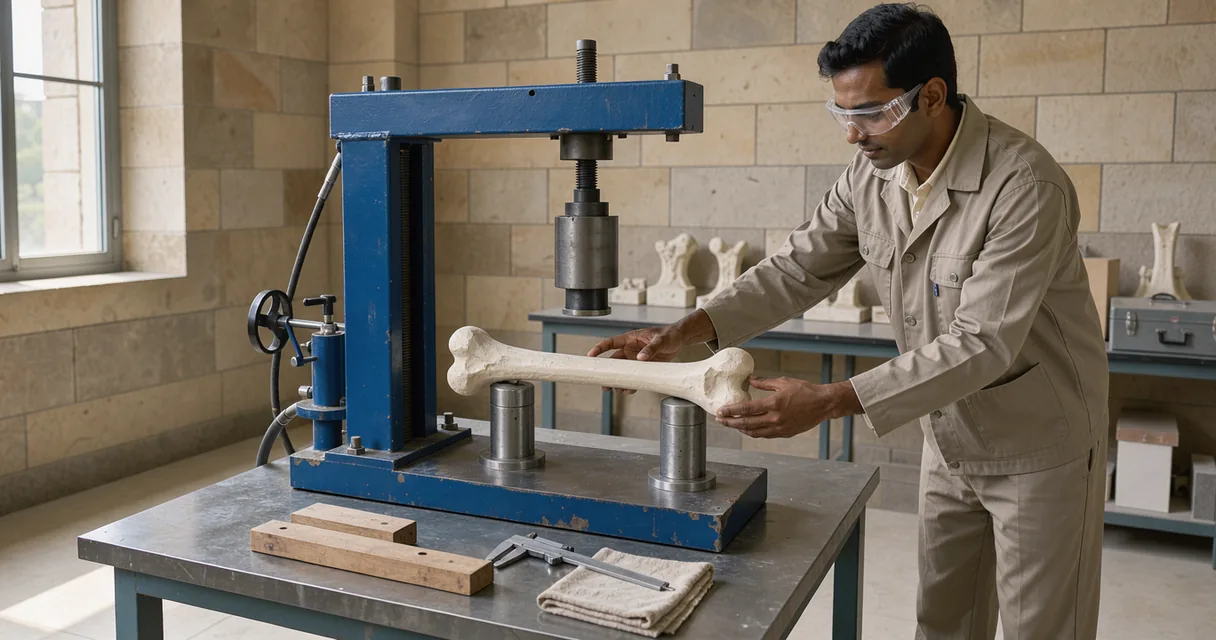
Functional is a demanding word. I picture a bone carrying a load when the word appears; the experiments give that curiosity a solid place to start.
Mineral content in larger bones
In a 12-week ipamorelin experiment in female rats, total tibial and vertebral bone mineral content increased while cortical volumetric bone mineral density stayed unchanged. The animals were 13-week-old Sprague-Dawley rats at the start. The account attributes the mineral gain to expansion of bone dimensions.
The awkwardness draws me into this experiment. More mineral sounds so easily like a denser skeleton; here, the size of the structure explains the increase. Content, dimensions and density each have a separate job in the description. I leave the paper wondering about strength; a claim about carrying a load would still need a direct answer.
That is the sense of functional I care about. A description of a body ought to leave room for what it can actually manage. For me, Oklahoma Functional Medicine starts with that demand for useful work. The geographic name supplies no information about local medical care.
Length and circulating IGF-1
A different experiment in adult female rats recorded faster longitudinal bone growth without a change in total circulating IGF-1, IGF-binding proteins or bone turnover markers. IGF-1 is insulin-like growth factor 1, the blood measurement named in that study.
The physical measurement moved while those circulating measurements did not. I had hoped for a convenient blood result that could stand in for everything happening in bone. That hope looks less sensible beside this experiment. Put the measurements side by side and the account becomes less tidy, which suits me. The bone dimensions essay follows the actual growth rates.
Bowel-resection recovery
Ipamorelin also reached an unusually practical human test: time to the first tolerated meal after bowel resection. The trial missed its primary endpoint. I appreciate the choice of task, and the unsuccessful result deserves just as much attention as the choice.
The bowel recovery essay follows the animal findings into that trial. It ends with a ferret experiment in which weight and vomiting supplied different answers. Useful function becomes much more interesting when the body refuses a single summary.
Timing and adverse findings
The hormone pulse has its own timing: how much of the compound remains and when growth hormone responds are separate measurements. The safety essay considers what happened during the brief human trial and why heart tissue from a different agonist deserves careful attribution.
I favour a strength question with an actual load attached, an eating question with a meal attached, and a safety question with enough time to look for harm. The experiments determine how far any of those preferences can travel.